School district leaders, transportation teams, McKinney-Vento liaisons, and student success coordinators across the greater Phoenix area — from Mesa to Glendale and Tempe to Chandler — face a unique set of challenges in ensuring every student has safe, reliable access to education and opportunity. The reality of a sprawling metropolitan area, combined with the pressure of specialized student needs and budget constraints, is creating significant gaps in traditional school transportation.
To understand the urgency of this situation, we must first look at the specific operational and logistical pain points felt by school districts across the Valley of the Sun.
The Transportation Crisis Affecting Phoenix Schools
Districts across the Greater Phoenix area are dealing with versions of the same crisis:
Kyrene School District started the school year short 15 bus drivers, leading the district to consider cutting sports transportation entirely.
Chandler Unified is about 40 drivers short, leading to cut and doubled-up routes across the district.
Roosevelt School District parents report buses showing up late, leaving students waiting in extreme heat and even getting to school too late to eat breakfast.
Budget constraints are compounding an already challenging problem. Facing a $60 million funding shortfall, Dysart Unified eliminated routes for K–8 students living 1.5 miles from school.
Behind these numbers are the students who suffer most when transportation fails. Youth in foster care who move between placements still need reliable ways to reach their school of origin, even across district lines. The same goes for families participating in school choice programs throughout Mesa, Tempe, Chandler, and the East and West Valley who chose educational opportunities their neighborhood schools couldn’t offer. Students with disabilities need specialized vehicles and trained support that a standard bus route simply can’t accommodate.
When student transportation in Phoenix falls short, vulnerable students pay the price in missed classes and lost learning time.
Tolleson’s Hub-and-Spoke Solution
District leaders at Tolleson Union High School District were dealing with the same challenges as their neighbors: driver shortages, tight budgets, and students falling through the cracks.
Jeremy Calles, Tolleson’s Chief Financial Officer, knew the district needed a different approach to fill in the gaps. The district partnered with HopSkipDrive to create a hub-and-spoke model combining smaller vehicles with traditional school buses.
This approach, now available nationwide, is a solution that allows districts to leverage their existing resources more efficiently:
AI-Powered Planning: HopSkipDrive’s proprietary RouteWise AI™ platform analyzes district transportation needs to identify the most efficient bus routes and centralized pickup locations where students can catch traditional school buses.
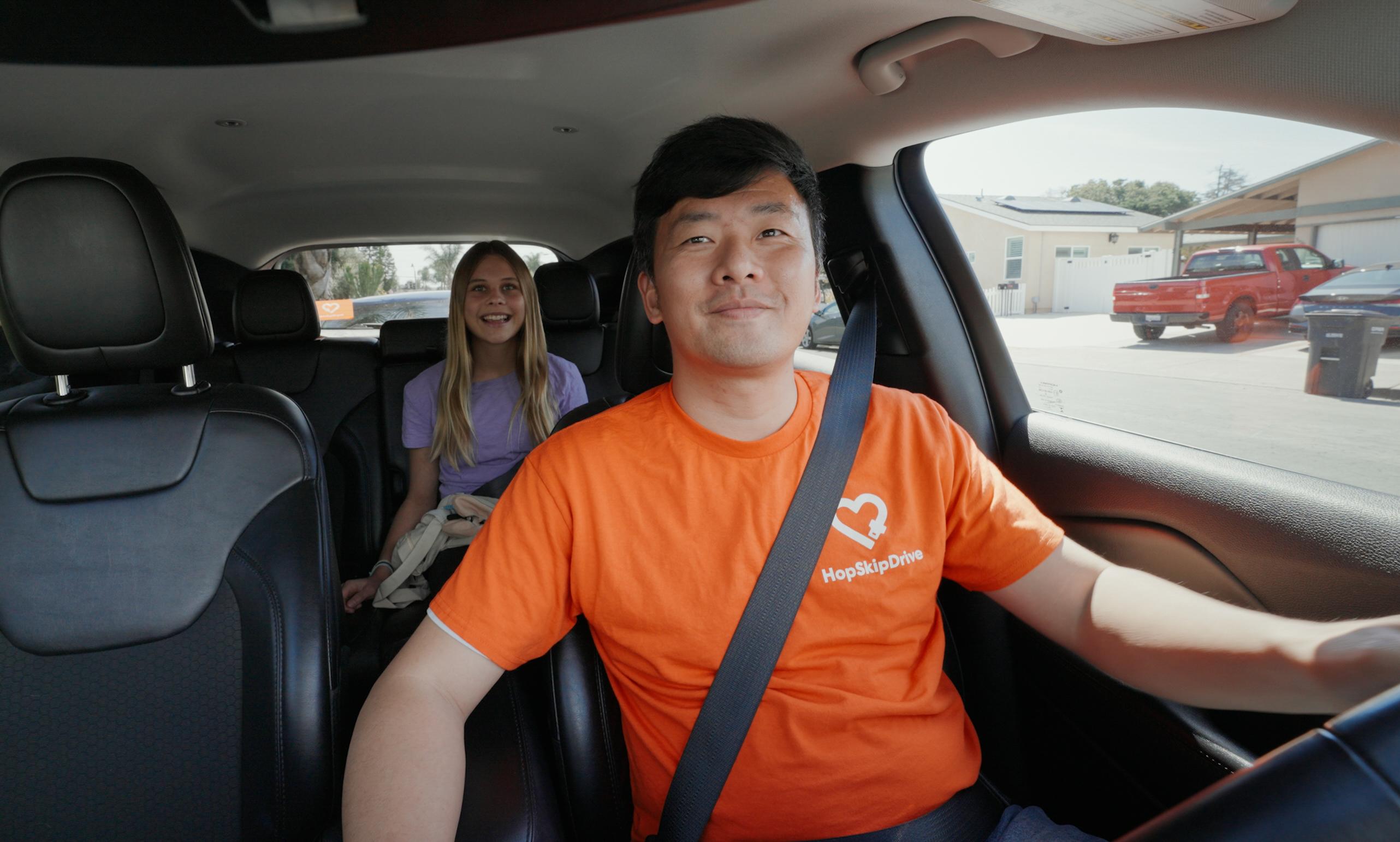
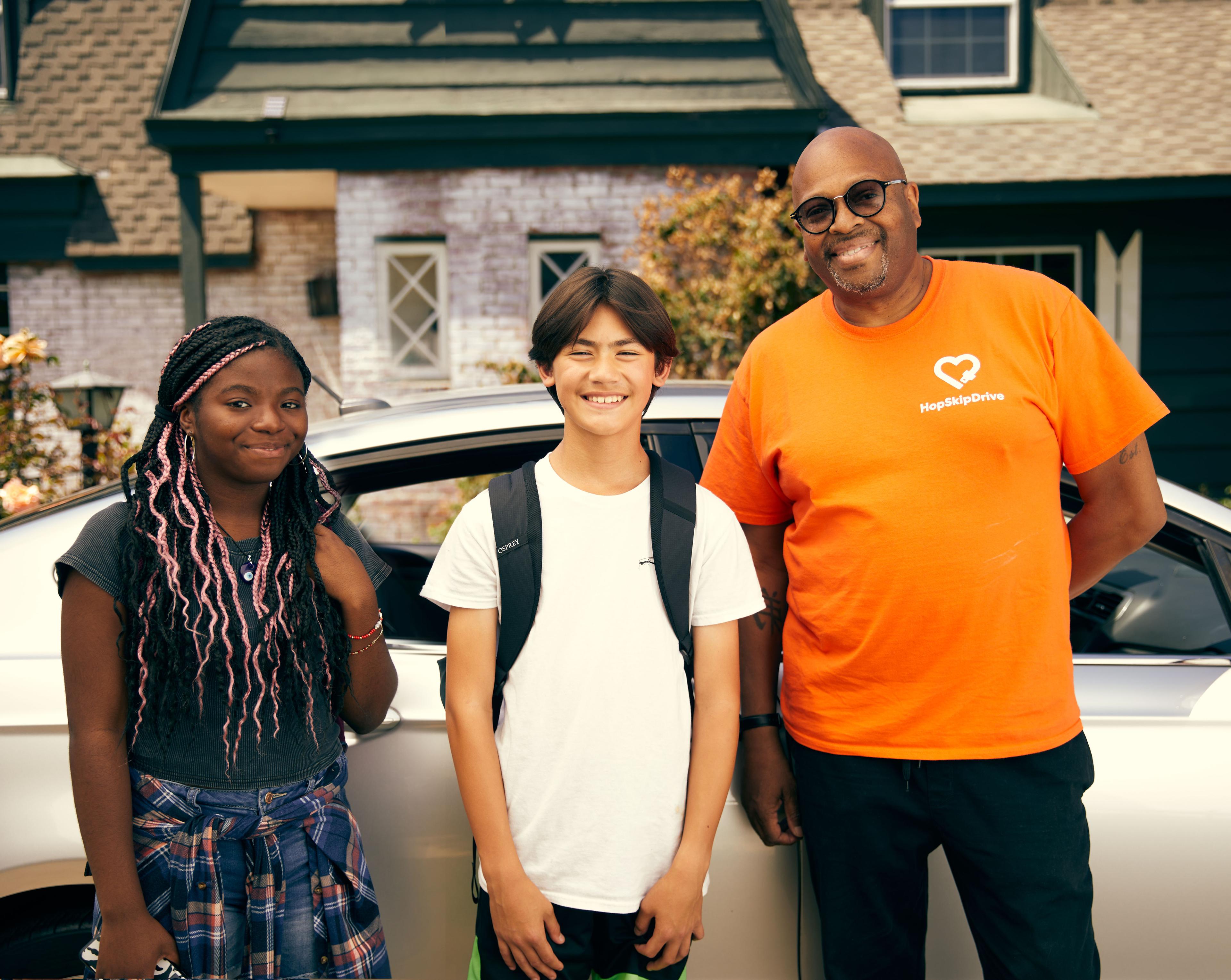
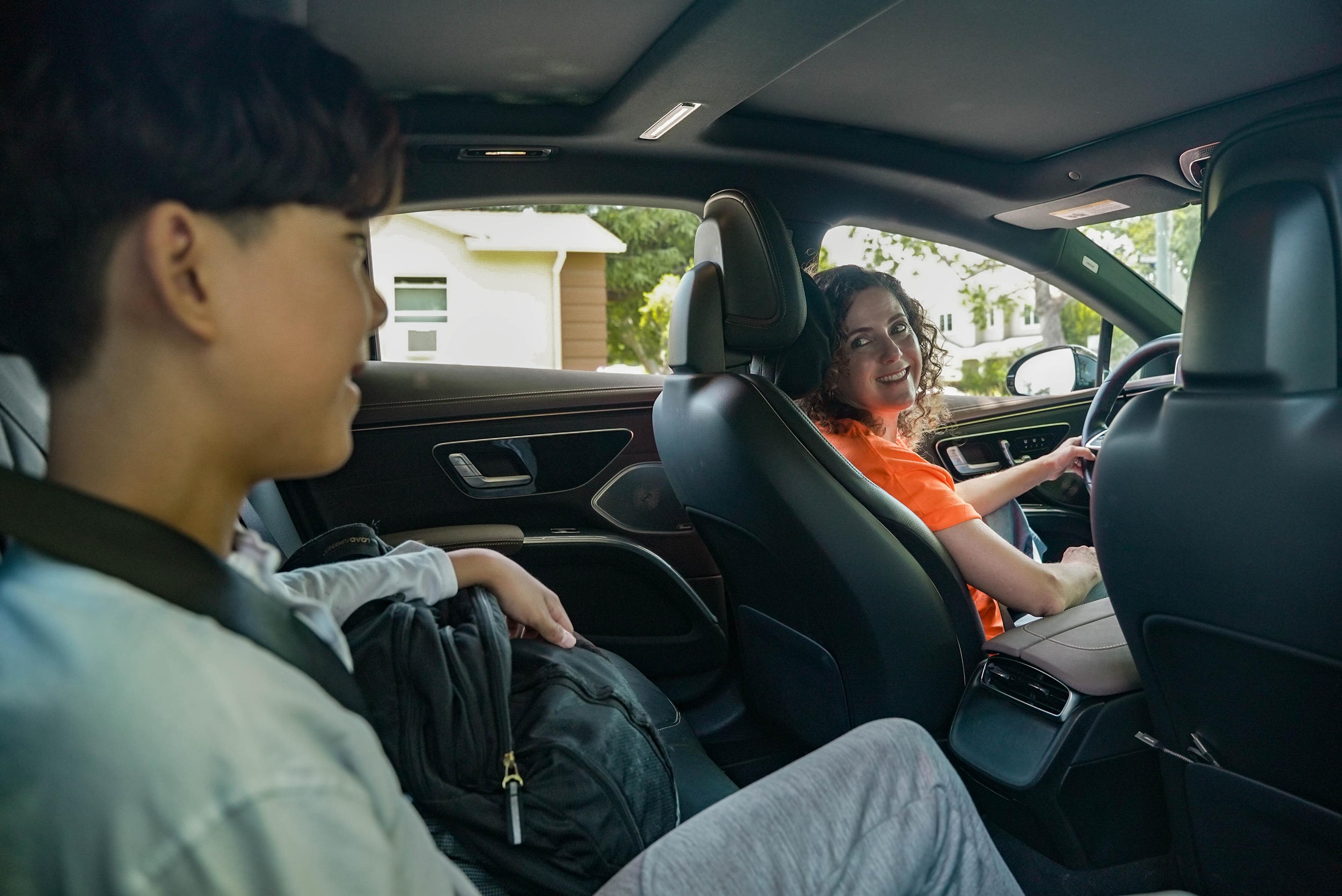
Targeted Pickups: HopSkipDrive CareDrivers, who undergo a rigorous 15-point certification process, safely transport students in small vehicles from their homes to these strategically planned bus stops.
RouteWise AI helps districts optimize their entire transportation network, modeling hundreds of routing scenarios in minutes to identify cost savings, reduce commute times, and maximize high-ridership routes when driver shortages force difficult decisions about which students to serve and how.
The Key to Opportunity
Reliable transportation extends access to all students for all kinds of educational opportunities, including career and technical education programs. Working with HopSkipDrive, the ElevateEdAZ internship program in Phoenix connected 300 high school students with companies like Mayo Clinic and Honeywell. Through this partnership, ElevateEdAZ saw a 290% increase in internship participation, helping students gain real-world work experience they wouldn’t have been able to access otherwise.
While federal legislation like Senator Mark Kelly’s Driving Forward Act aims to address driver shortages long-term, districts in Phoenix need immediate solutions today. Supplemental transportation can help, particularly for students whose circumstances require more flexibility than traditional bus routes provide.
Meeting Diverse Student Needs
Some students need more than standard bus routes can provide — specialized equipment, consistent or familiar drivers, or additional support during their commute. HopSkipDrive’s specialized services address these individual needs for students in the Phoenix area:
Wheelchair-Accessible Vehicles: CarePartners™ provide rides for students in wheelchairs through their wheelchair-accessible vehicles, maintaining the same safety standards and real-time tracking as all HopSkipDrive rides.
Rider Assistants: When students need extra attention during their commute, these professionals focus on students’ emotional and behavioral needs during a ride while CareDrivers concentrate on safe driving.
Primary CareDriver +: This program ensures the same highly qualified CareDriver provides at least 80% of a student’s rides, creating consistency for students who thrive with familiar routines and established relationships.
Industry-Leading Technology: Ride Organizers and caregivers receive photos and profiles of CareDrivers before each ride, can track trips in real-time through GPS, and communicate directly through the app if something changes.
“The technology that HopSkipDrive brings into this partnership helps increase trust with our families. A parent has that flexibility of being able to know at all times where their child is at.”
—Jeremy Calles, Chief Financial Officer, Tolleson Union High School District
HopSkipDrive in Phoenix
Schools, districts, and organizations across the Phoenix metropolitan area rely on HopSkipDrive’s supplemental transportation to reach students who fall outside traditional bus routes. The approach varies by district and student need, but the goal remains the same: making sure transportation doesn’t become the barrier that keeps a student from getting an education.
Want to explore how HopSkipDrive can support your Phoenix-area school or district’s transportation needs?